Design Nomenclature / Physical Model Making
Kerf
Also called cut width, blade width, kerf allowance
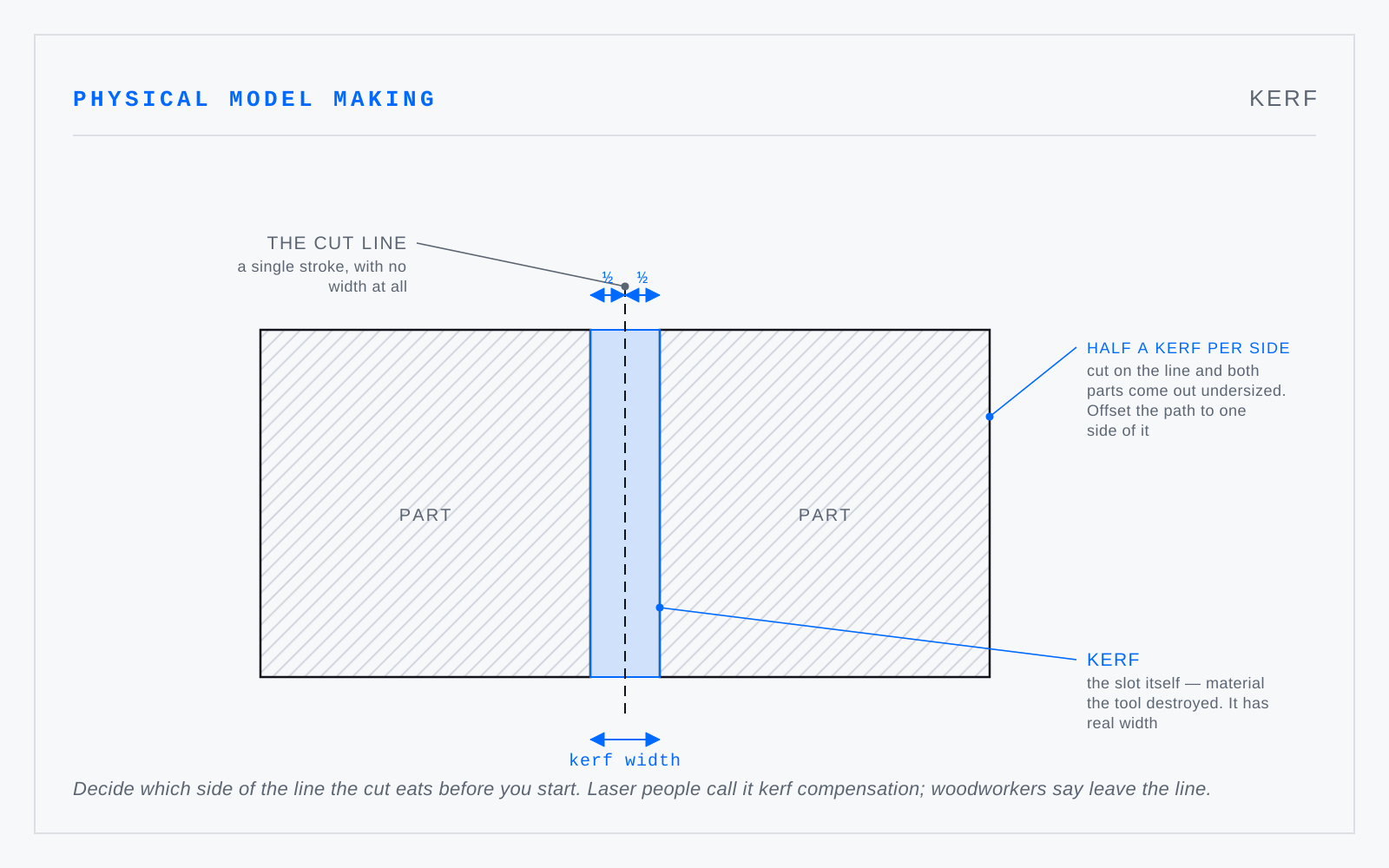
The width of material a cutting tool destroys as it passes — the slot itself, not the line it was drawn on. A blade, laser, or waterjet has real width, so parts drawn edge-to-edge come out undersized by half a kerf per side unless the path is offset to one side of the line.
In practice
Laser people say "kerf compensation"; woodworkers say "leave the line." Both mean: decide which side of the line the cut eats before you start.
Origin
Old English cyrf, "a cutting," from ceorfan, to carve. The word has always named the notch left behind rather than the act of making it.