Design Nomenclature / Physical Model Making
Anodizing
Also called anodising, Type II, hardcoat, Type III
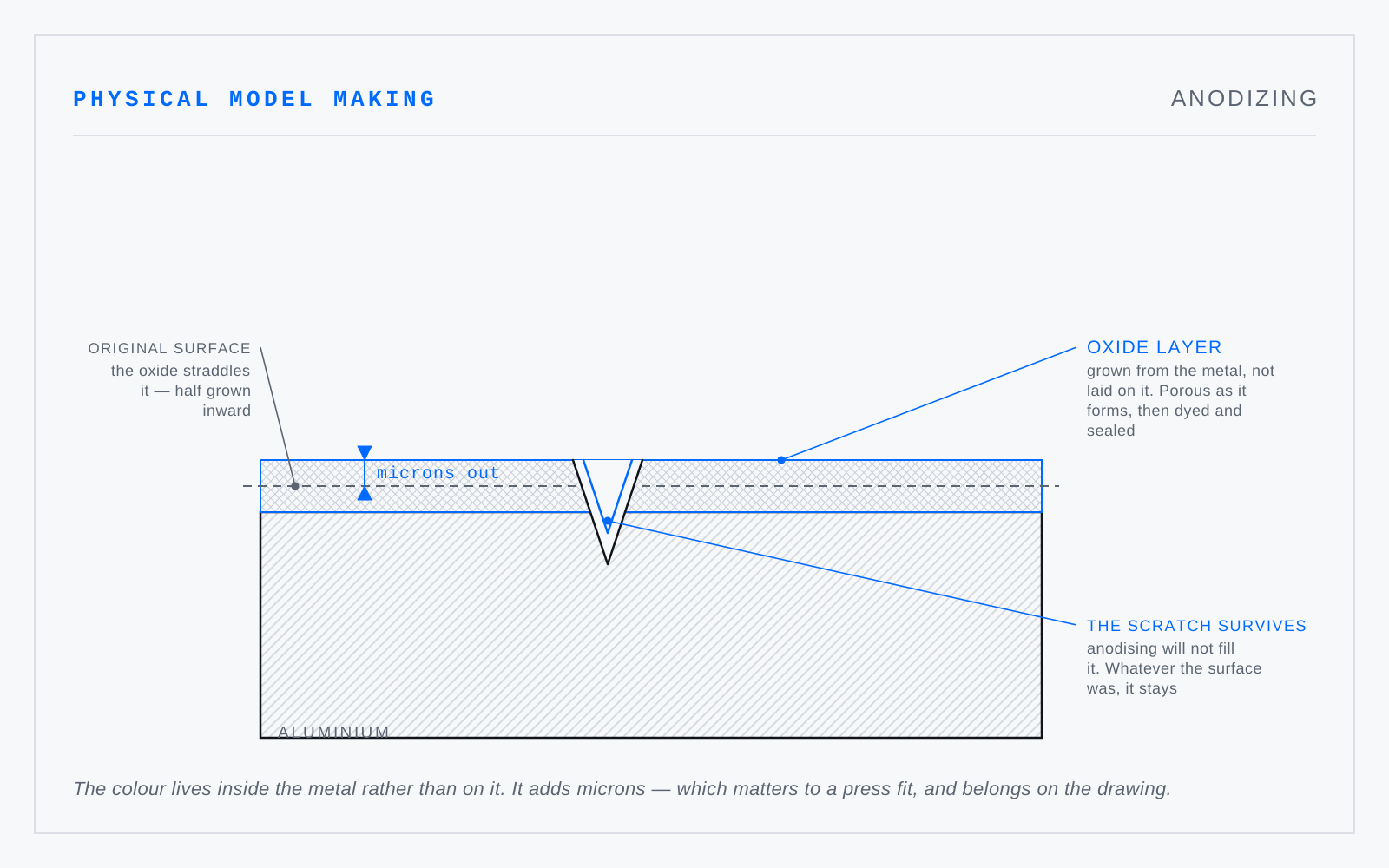
Growing a controlled oxide layer on aluminium electrolytically. The layer is porous as it forms, takes dye, then gets sealed — so the colour lives inside the metal rather than on it. It adds microns, which matters to a press fit, and it will not build over a scratch: whatever the surface was, it stays.
In practice
Type II is the decorative one. Type III — hardcoat — is thicker, darker, and changes the dimension enough that it belongs on the drawing, not in the finish note.
Not to be confused with
- Powder coatingElectrostatically spraying dry pigmented polymer onto a grounded part, then flowing it out in an oven. The film is thick — 60 to 100 microns — so it rounds every edge and softens every fine detail it crosses. Tough and cheap for enclosures, and exactly wrong for anything whose crispness was the point.
- PlatingDepositing metal onto a conductive part from solution, electrically or by autocatalytic reaction. The deposit follows the substrate exactly and amplifies it — plating is a mirror of whatever was underneath, which is why a chromed part is polished before it is plated, never after.