Design Nomenclature / Surface & Material
Anodized finish
Also called anodised, anodized aluminum, type II anodize, hardcoat
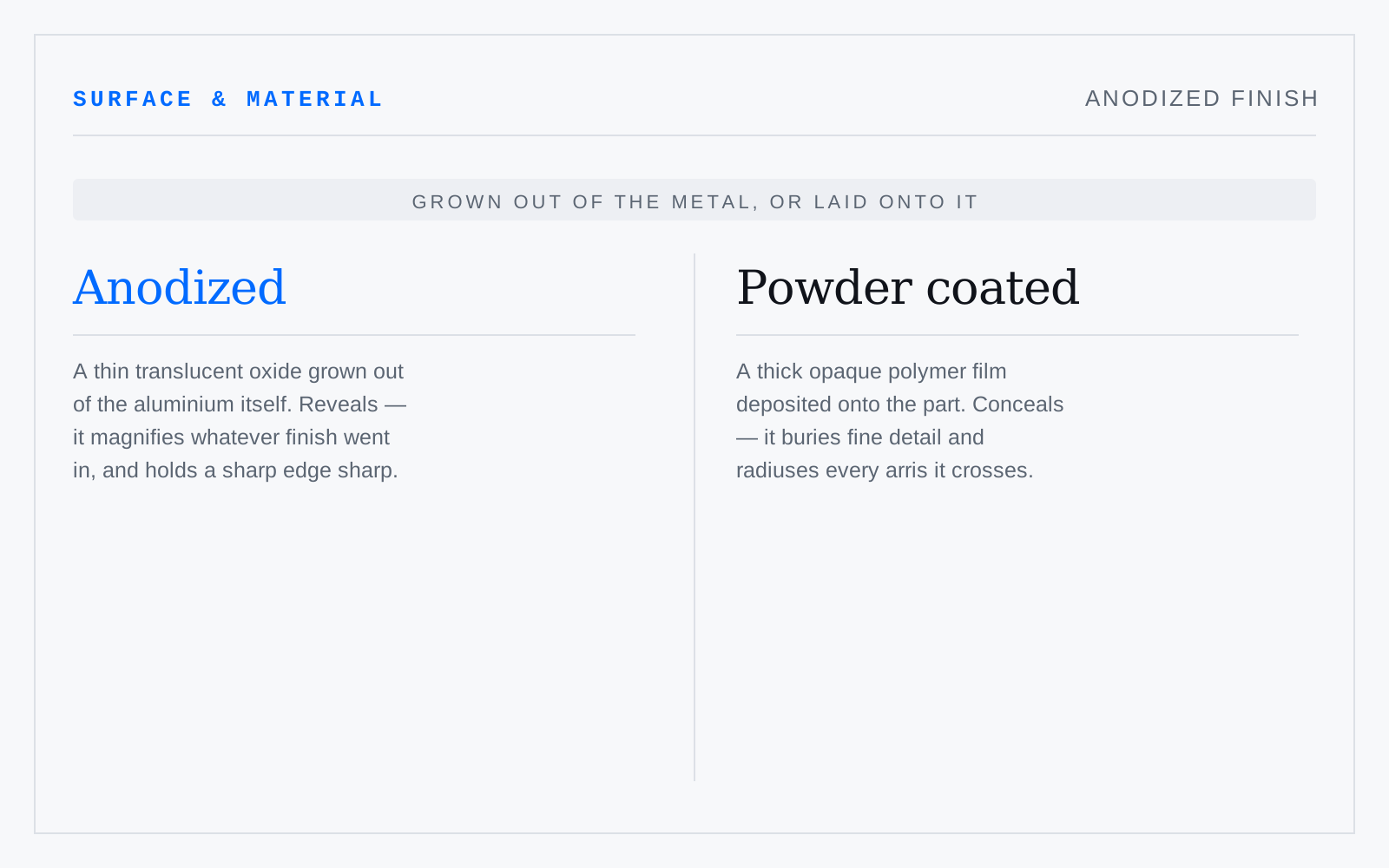
The appearance of an electrochemically grown oxide layer on aluminum: a hard, slightly translucent film with pores that take dye. It conceals nothing — it magnifies whatever finish was underneath. Blast first and it anodizes matte; polish first and it anodizes bright. Hardcoat runs thicker, darker, and takes color badly.
In practice
Colors drift by alloy and by batch. Nobody matches anodized parts across two lots; the fix is to run them together, not to specify harder.
Not to be confused with
- Powder-coat finishThe appearance of an electrostatically applied polymer fused by heat into a film: thick, fully opaque, soft at the edges, and available in any color and any gloss level. It buries fine detail and rounds off crisp arrises — which is precisely why it hides a bad weld and ruins a sharp one.
- PatinaA stable layer formed by a material reacting with its environment over time — carbonate on bronze, oxide on weathering steel, oil and wear on leather and brass. It accretes, it usually protects what is under it, and it records actual duration. Inducing one chemically in an afternoon is legitimate craft; the layer is real either way.
- PlatingDepositing metal onto a conductive part from solution, electrically or by autocatalytic reaction. The deposit follows the substrate exactly and amplifies it — plating is a mirror of whatever was underneath, which is why a chromed part is polished before it is plated, never after.
Origin
From anode: the part is wired as the anode of an electrolytic cell, so the oxide grows out of the metal itself rather than being deposited onto it.