Design Nomenclature / Physical Model Making
Print anisotropy
Also called layer-direction strength, Z strength, interlayer strength
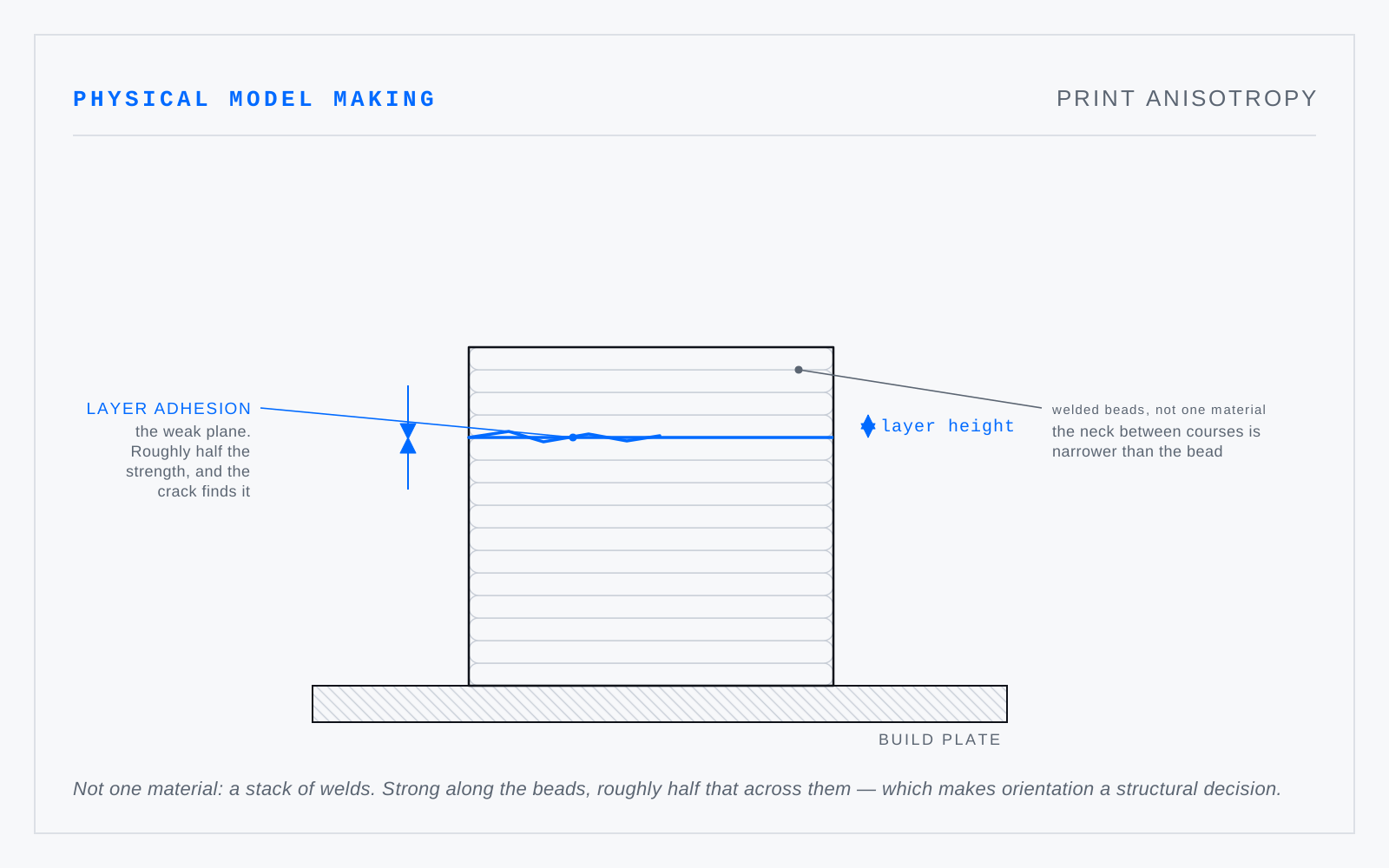
A printed part is not one material — it is stacked welds. FDM strength across layers runs roughly half that along them, and the fracture always finds the layer plane. Orientation is therefore a structural decision made in the slicer, and it is the single most misunderstood thing about printed prototypes.
In practice
"It's PLA, PLA is stiff" describes the filament. The part is PLA in one direction and a stack of PLA-to-PLA welds in the other.